
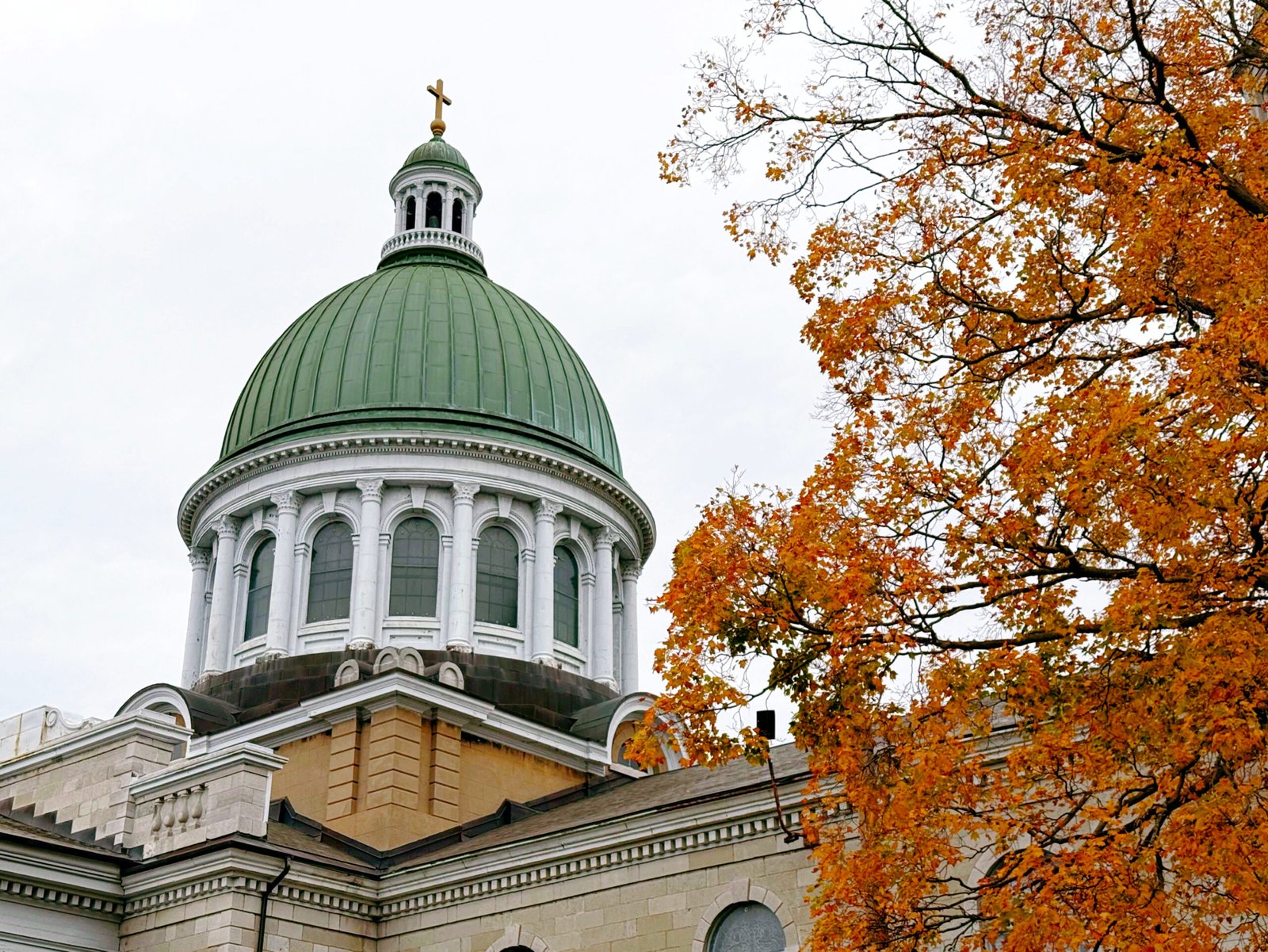
The Red Leaves and Solitary Islands of the Thousand Islands
On the eve of Thanksgiving weekend, I rushed overnight to Kingston, all for the chance to board the long-awaited Island Star cruise. It was a true “floating restaurant,” where wine glasses swayed gently with the rippling water beneath a glass dome.
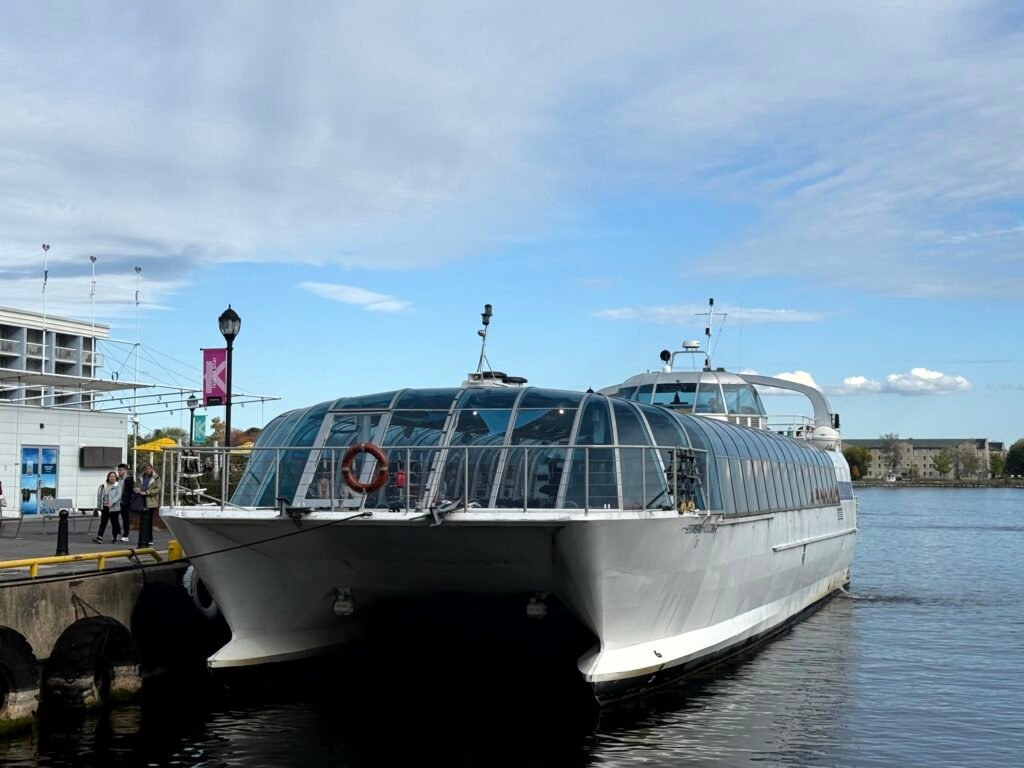
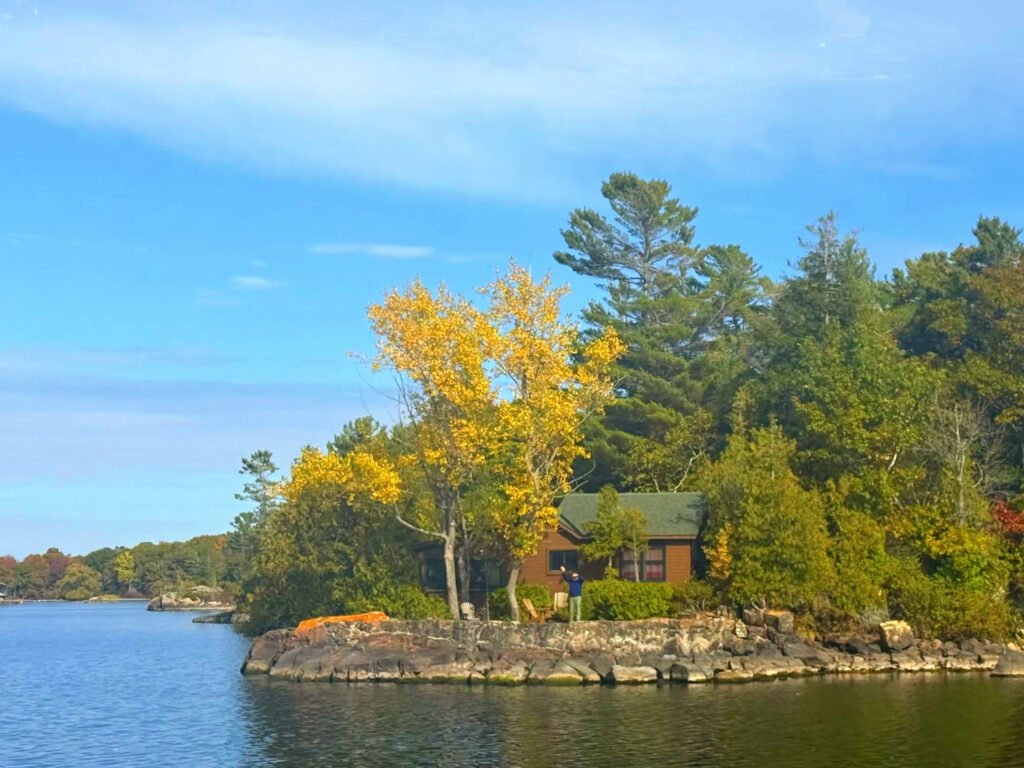
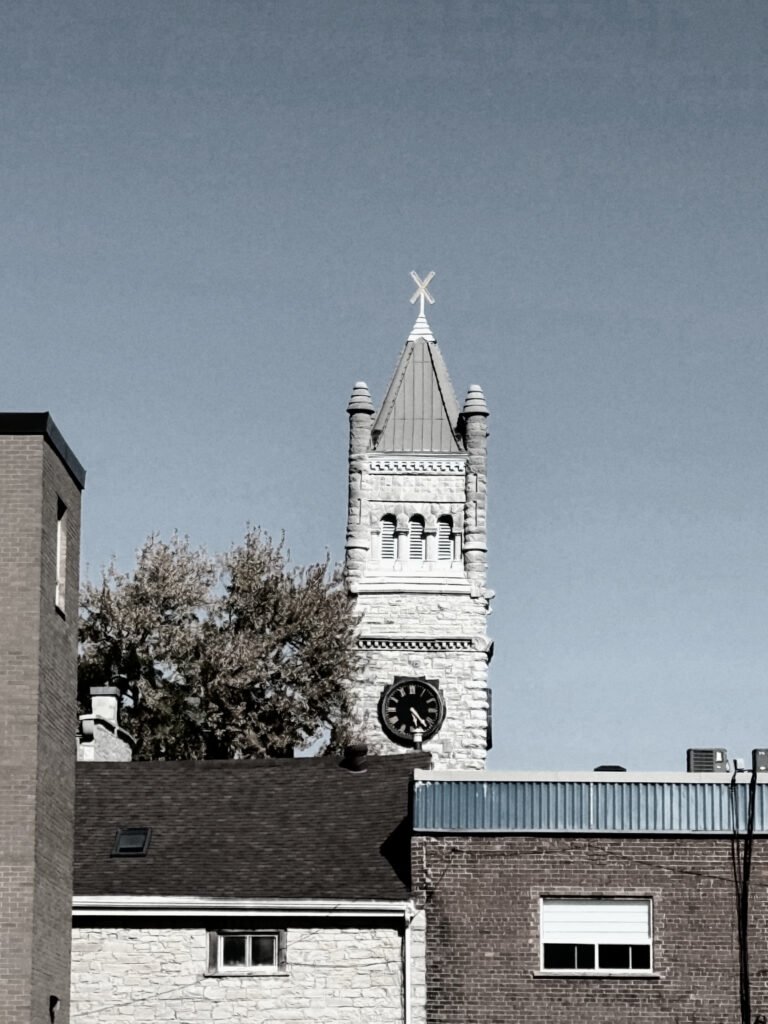
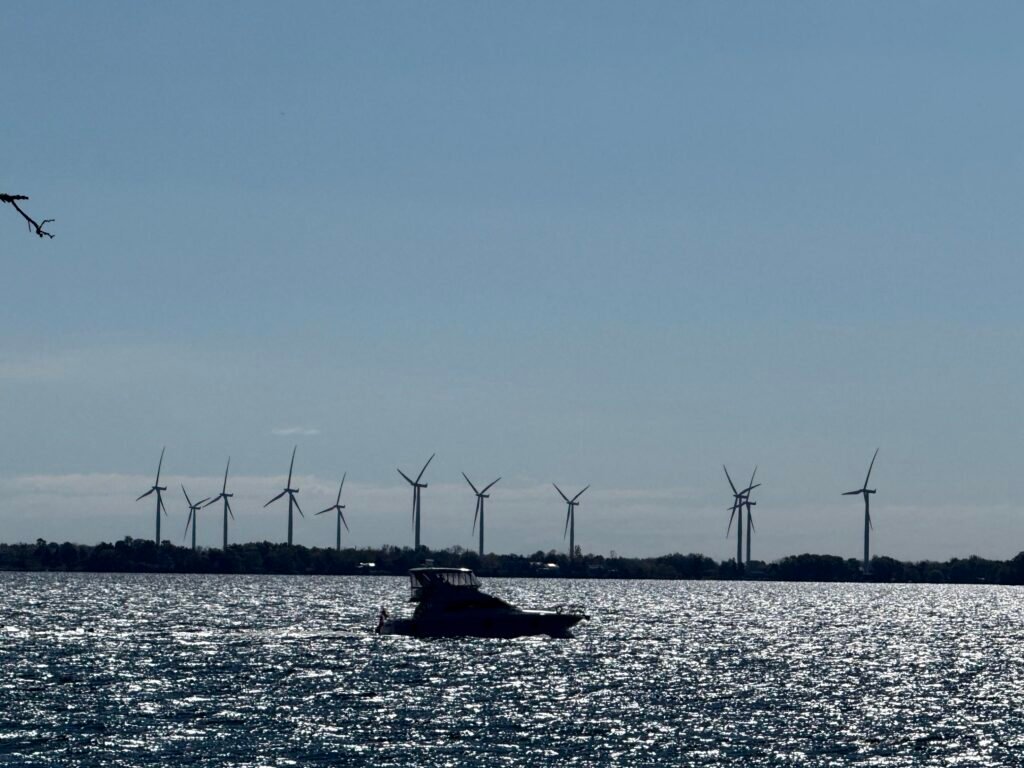
As the ship departed the dock, sunlight broke through the clouds. The city’s clock tower gradually receded, and the Saint Lawrence River was spread with the colors of autumn. One island followed another—some were nothing more than rocks and pine trees, while others held stone houses. Some say poets once lived here in seclusion; others spent their entire lives on these islands.
We passed an island with only a small wooden house. An elderly man outside seemed to know the arrival of every boat—before we even got close, he waved at us. In that moment, it felt as if time folded in the wind: he on the island, I on the ship, yet both of us sharing the same autumn light.
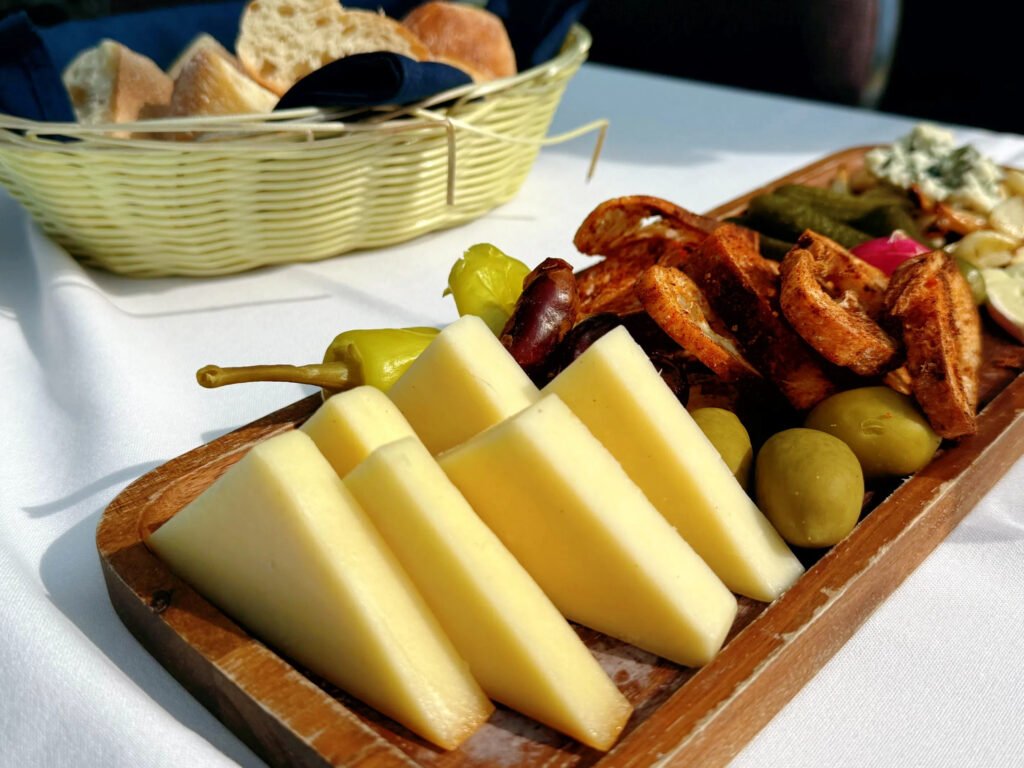
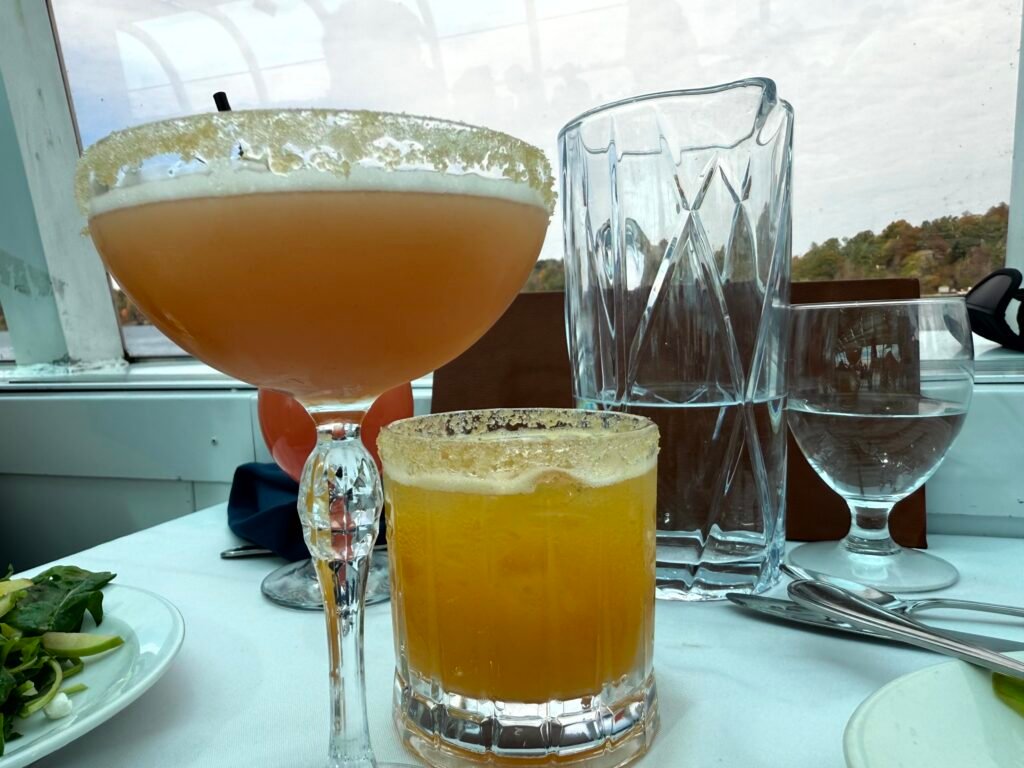
Lunch was served on the floating restaurant, the silver knife slicing through roasted meat blending with the gentle sway of music. Through the glass dome, the sky over Kingston gradually turned golden-red. In that moment, I suddenly understood that a “journey” is sometimes not about traveling far, but about slowly approaching tranquility from the midst of clamor.
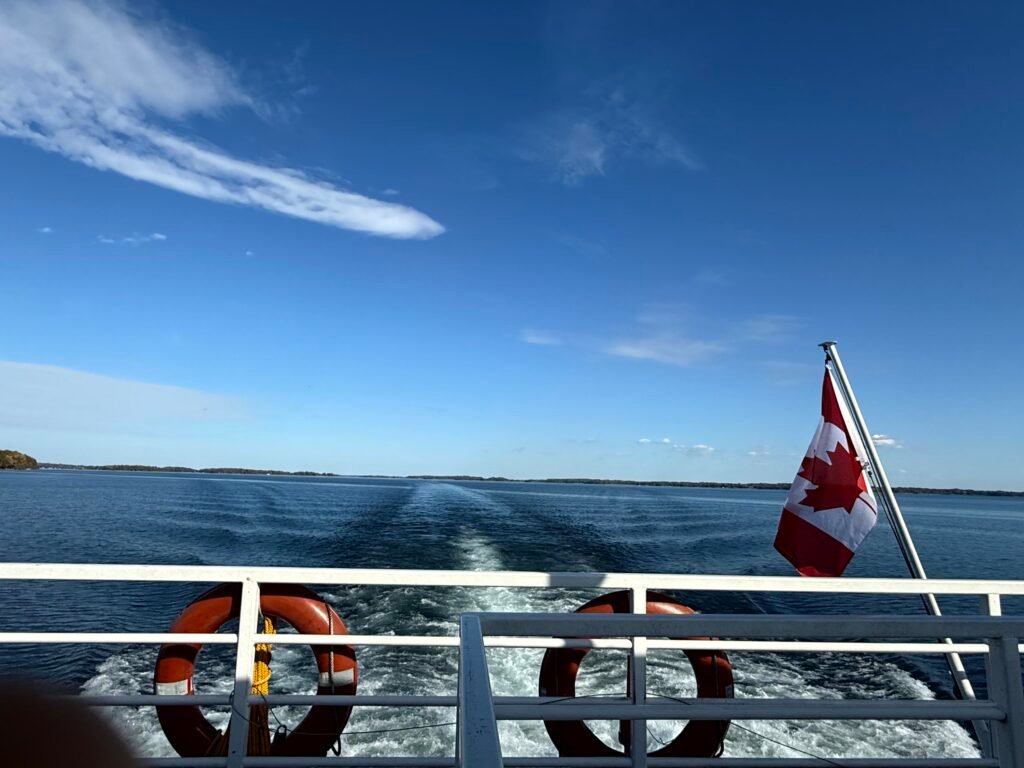
Sometimes, solitude is not an escape, but a gentle return.
Ghosts and Whispers in the Night Alleys
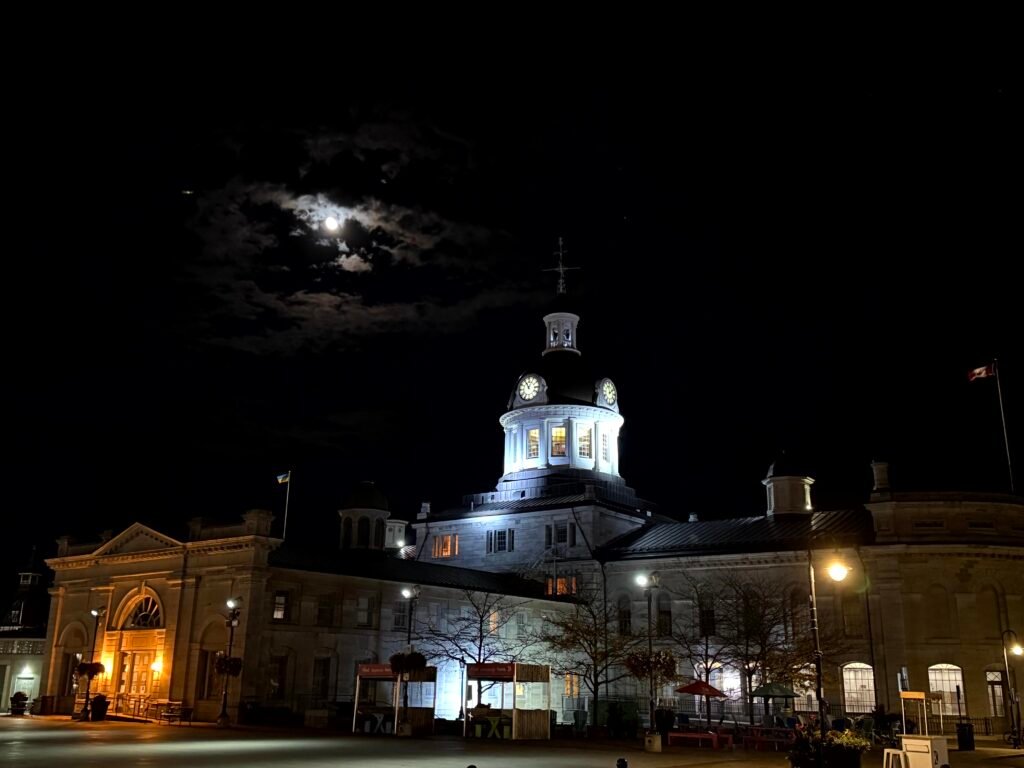
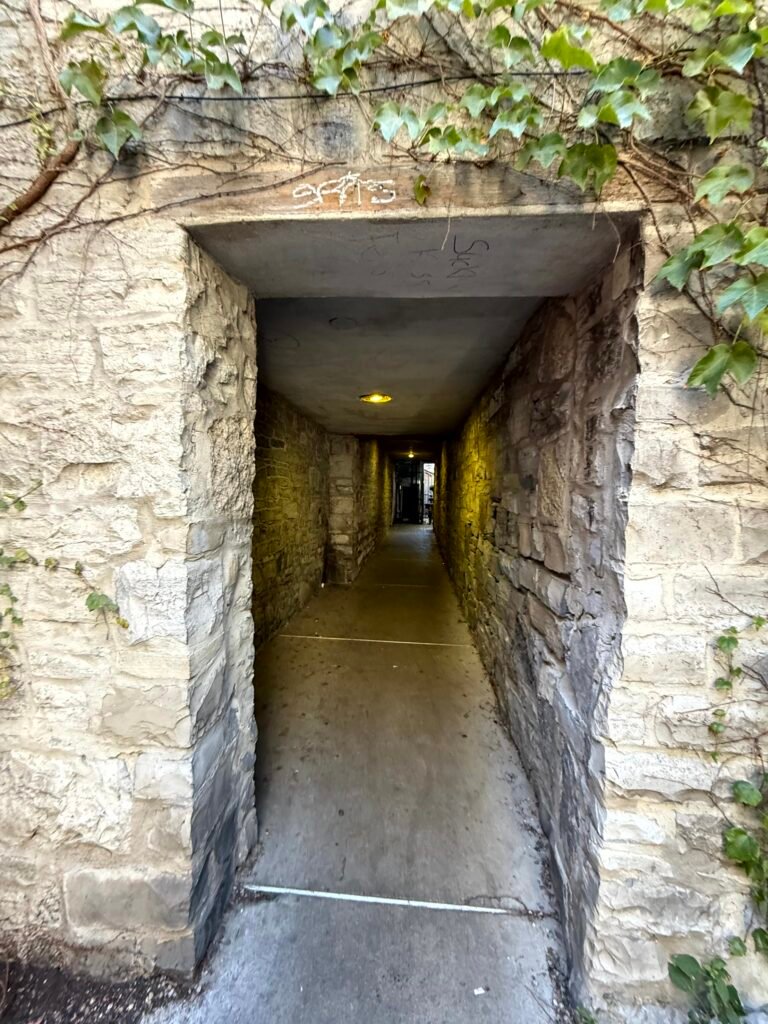
As night fell, the old town built of limestone revealed a different face. Orange-yellow streetlights cast their glow on mottled walls, and the air was filled with both dampness and the scent of stories long told.
I joined the Ghost and Mystery Trolley Tour. The trolley weaved through the historic district, its lights sweeping across the high walls of the jail, the iron gates of the convent school, and the infamous psychiatric hospital said to be a place “from which no one ever returned.”
When we passed the Kingston Psychiatric Hospital, the driver’s voice suddenly dropped: “In the past, those sent here never left alive. Even in death, they were buried on this same land.”
It is said that the hospital once housed the nation’s most complex psychiatric cases. Behind its iron gates, doctors, nuns, and patients lived together, leaving countless untold secrets. Though the hospital has long ceased operations, some say that whispers can still be heard by the windows.
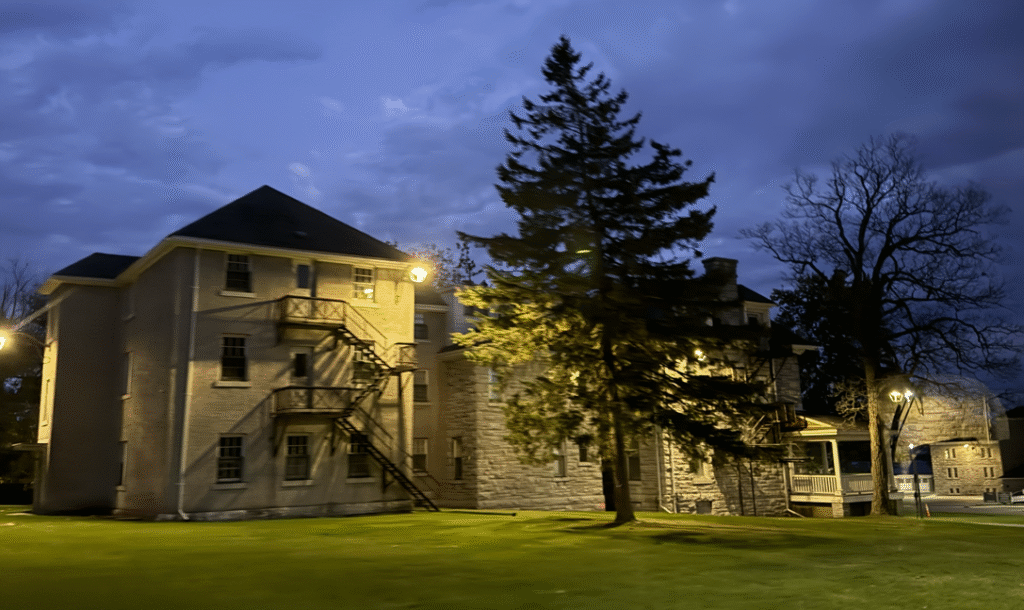
Perhaps it was all part of the performance, yet as the night wind brushed the back of my neck, a chill ran through me—not fear, but the sensation of history gently watching.
The ghosts of Kingston do not lurk in the shadows; they hide in the crevices of time, reminding us of the city’s past pains and memories.
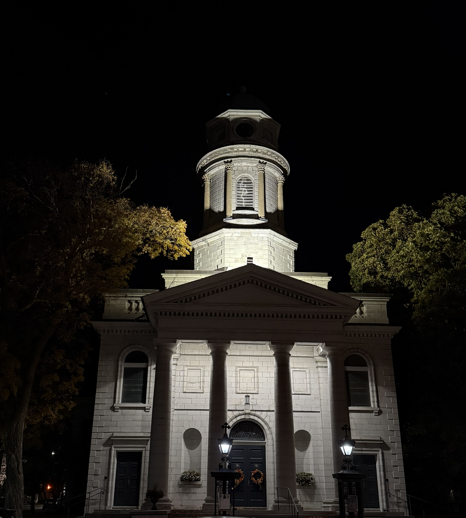
The trolley started moving again, heading back to the city center. At that moment, I caught sight of a distant bell tower—Kingston’s church illuminated in the night. Light fell across the building, like a call from another world, or a small spark kindled for the dark stories of history.
Limestone Domes and the Play of Light
St. George’s Anglican Cathedral
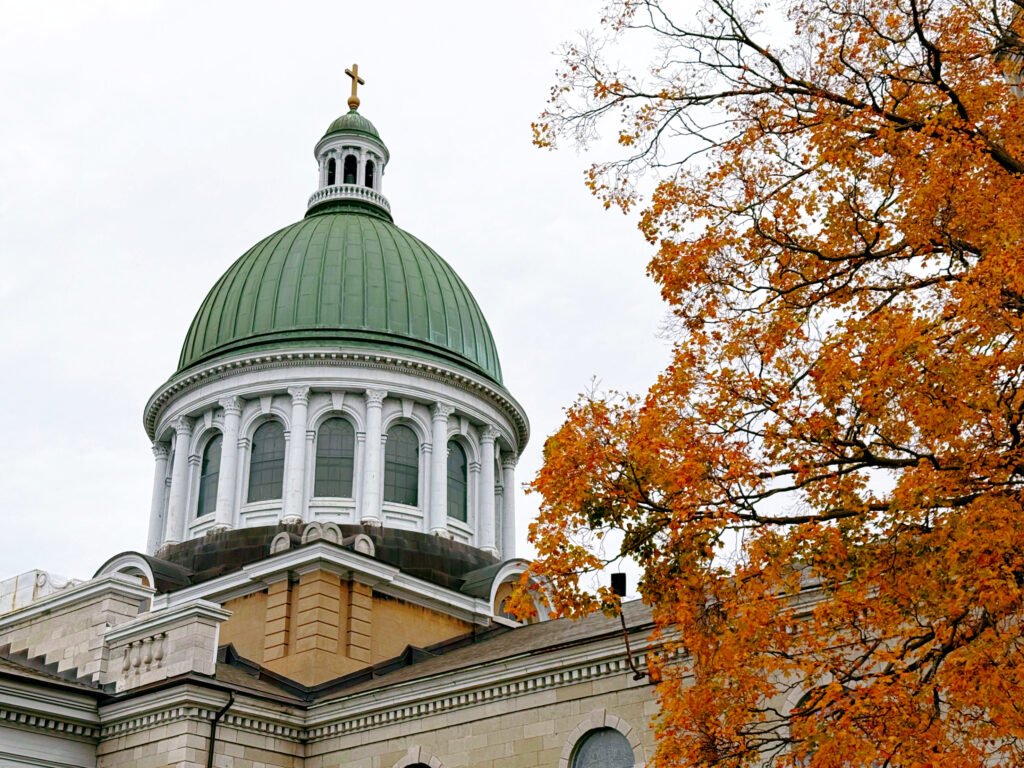
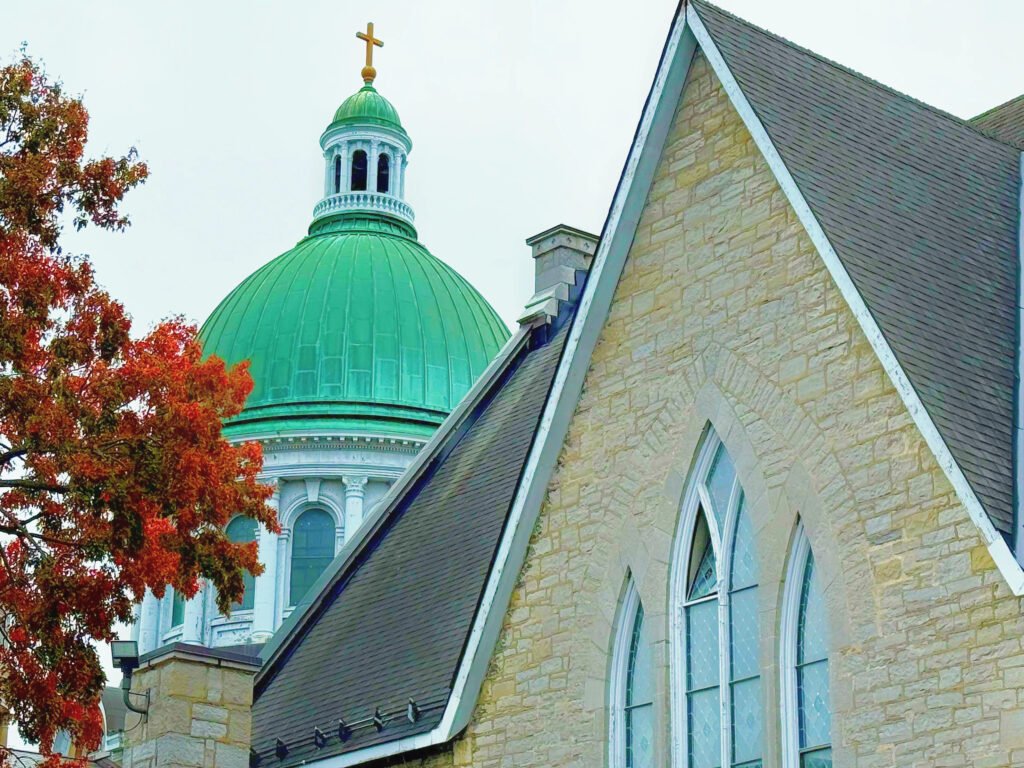
Morning sunlight filtered through the clouds, spilling onto the cathedral’s dome as I once again walked toward St. George’s Cathedral.
Nearly as old as the city itself, it marks the beginning of Kingston’s history of faith and remains one of the city’s enduring souls.
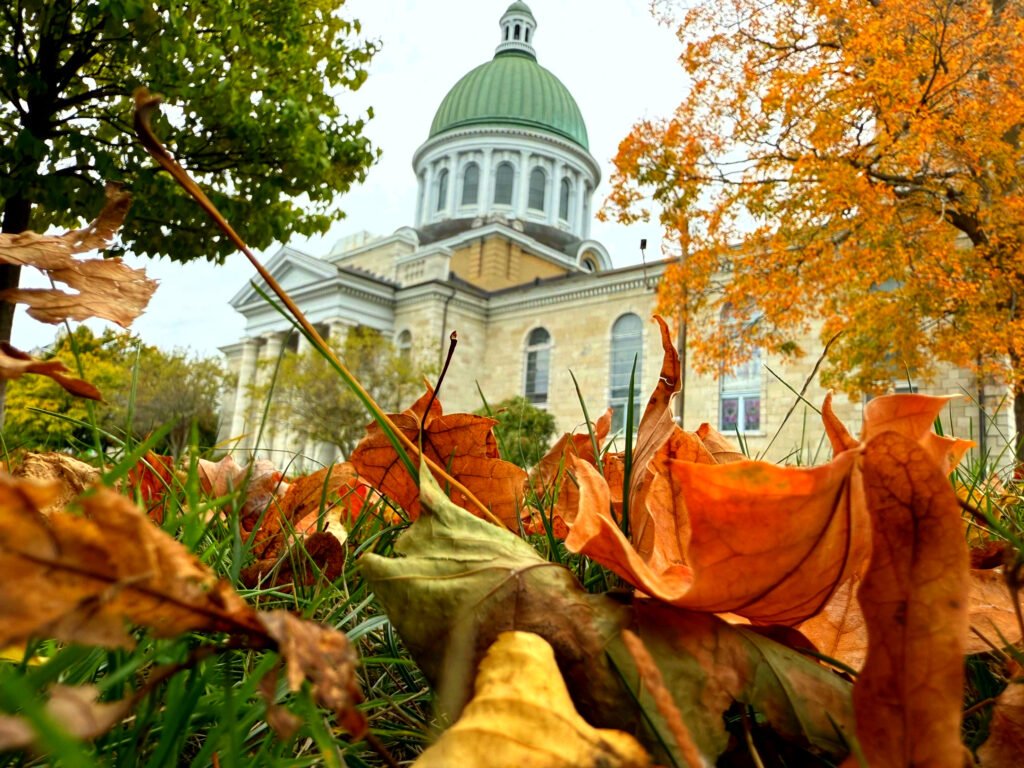
Its grey-white exterior and rounded skyline exude stability without losing elegance. Inside, Tuscan columns uphold the dome, and light pours through high windows, casting patterns on the wooden pews and the pulpit. The hourly chimes resonate through the air—one of Kingston’s most consistent and iconic markers of time. Its sound can be heard nearly every day, becoming the rhythm and breath of city life.
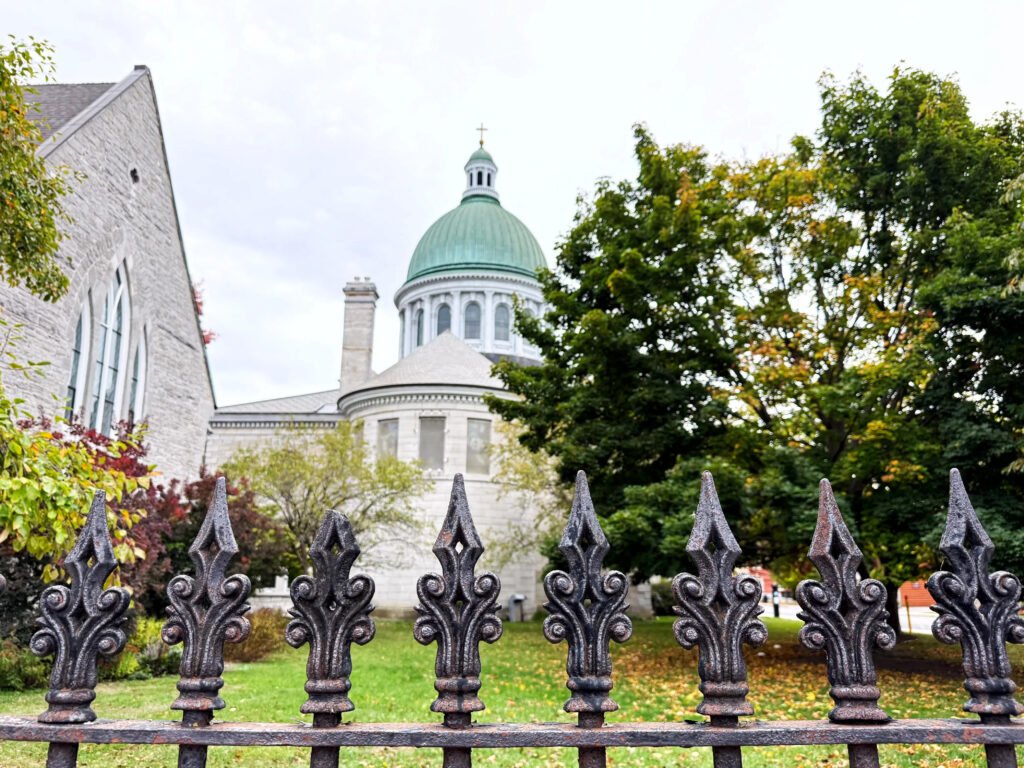
I have visited many Anglican cathedrals, yet I am still struck by the brightness and clarity of this one. It is more magnificent than imagined, yet open—like Kingston itself: dignified, yet gentle.
St. Mary’s Cathedral
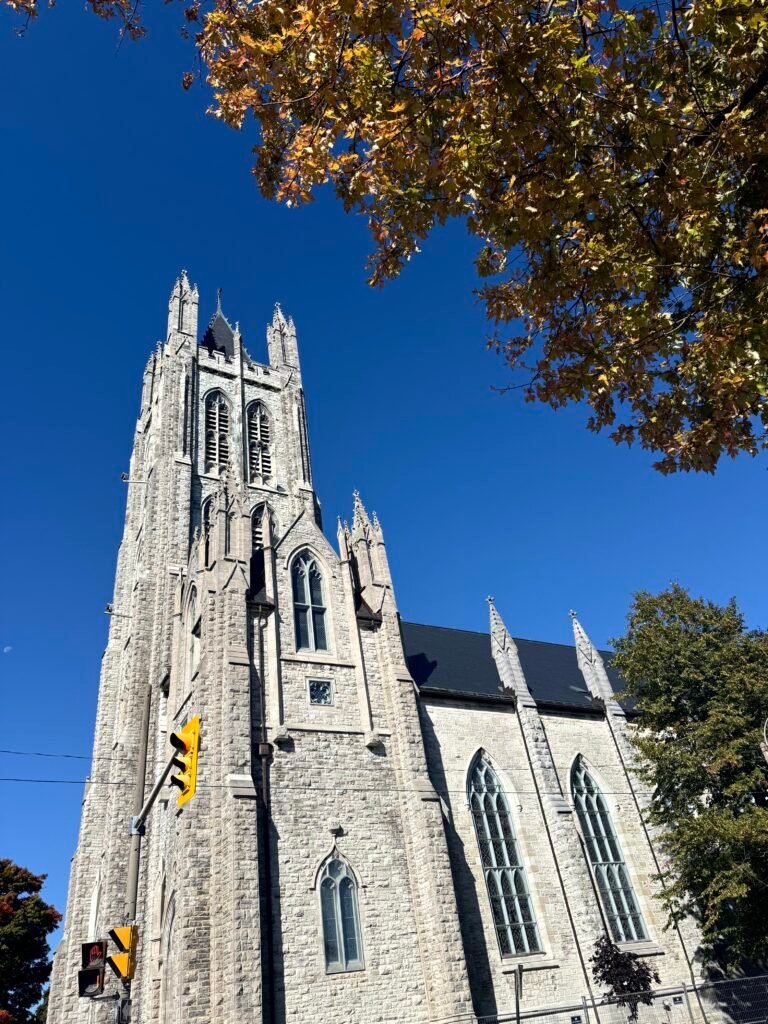
Further north stands St. Mary’s Cathedral. Its spire points straight to the sky, once a 19th-century symbol of humanity’s “pursuit of heavenly beauty.” Inside, the ribbed vaulted ceiling is cloaked in deep blue and gold, dotted with stars, as if the night sky had been frozen above. The main altar, carved from Italian Carrara marble, radiates a soft glow amid its austere lines. In 2012, this cathedral was featured on a Canadian postage stamp—faith transformed into art, and into a trace of time.

St. Andrew’s Presbyterian Church
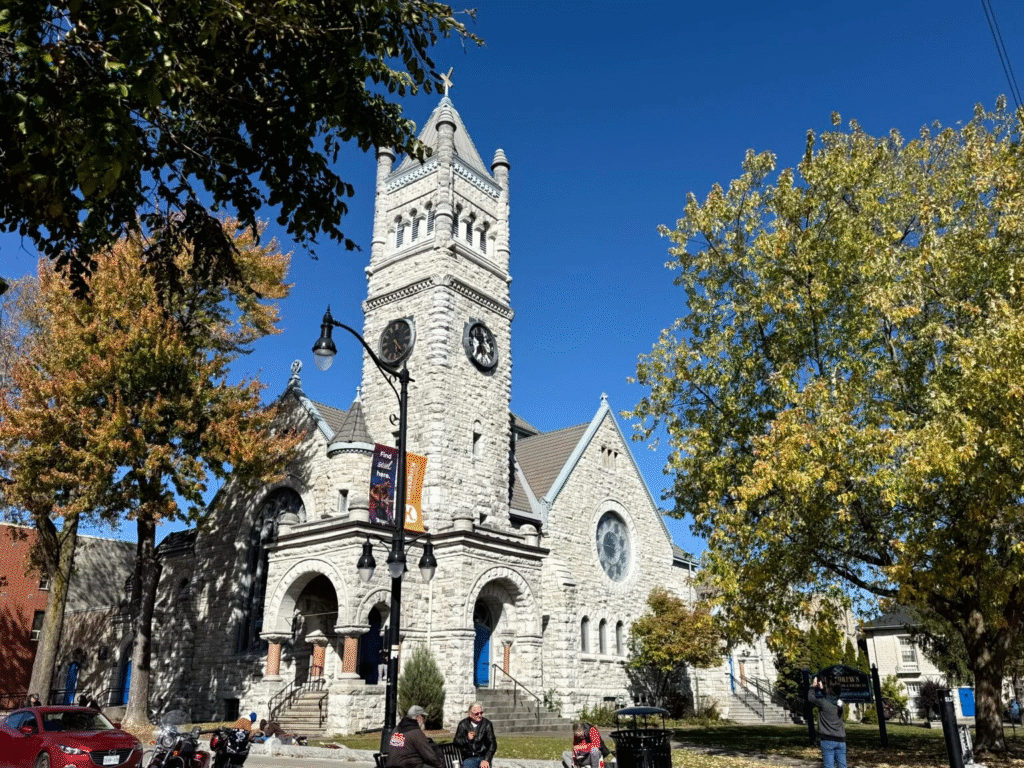
Passing by St. Andrew’s Presbyterian Church, I noticed worship had just concluded. Elderly parishioners greeted one another and slowly exited. Nearly every church in Kingston holds its most formal service at 10:30 a.m. on Sundays, a rhythm seldom found in larger cities today.
Perhaps this is Kingston’s most enchanting quality—it does not chase the pace of the world, but instead moves gently with time.
Conclusion
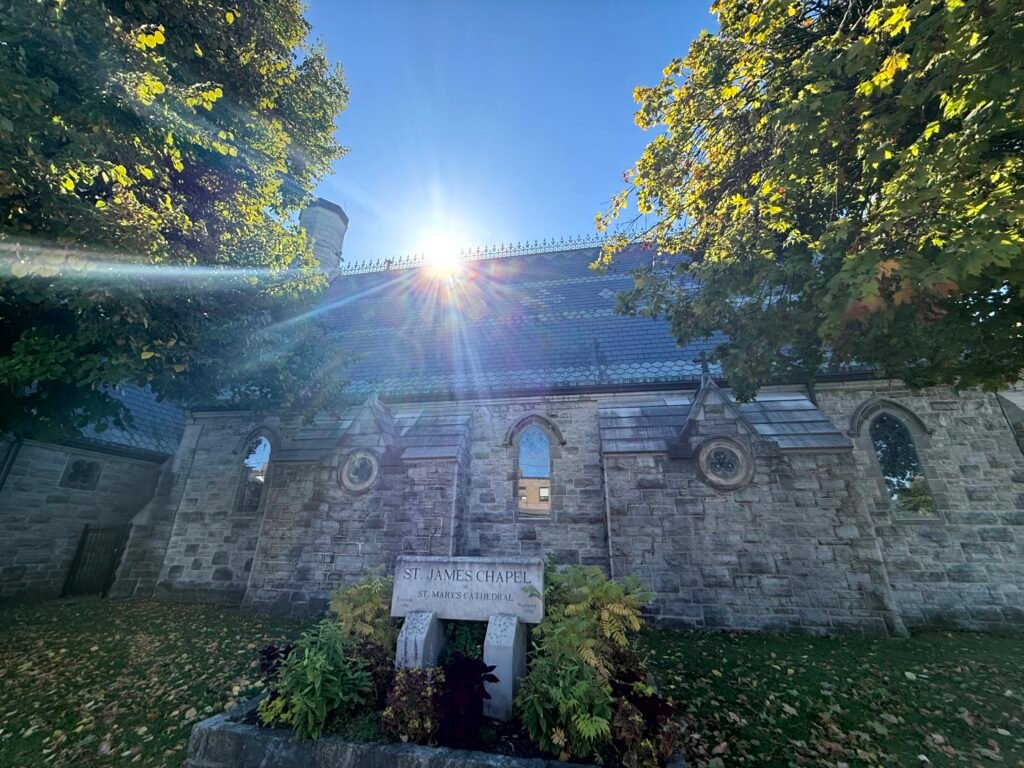
Kingston is a city softly guarded by time. The bells replace the clamor of life; stone walls preserve memory. Every visit to a church feels like meeting the gaze of those who came before.
Here, French and British influences coexist—streets and shops bear French names, while stately British-style houses line the avenues. French romance and British restraint intertwine, letting the city shimmer uniquely within the folds of history.
Can one not repeat the past? Why not?
In Kingston, every step feels like a stride toward the future, yet closely connected to history.


I simply couldn’t go away your website before suggesting that I really enjoyed the usual information a person supply on your visitors? Is going to be again often to check up on new posts
great issues altogether, you simply gained a emblem new reader. What may you suggest about your put up that you just made a few days ago? Any sure?
Everyone loves what you guys are up too. This type of clever work and reporting! Keep up the fantastic works guys I’ve added you guys to my blogroll.
hi!,I like your writing so so much! share we keep up a correspondence more about your post on AOL? I need an expert on this area to unravel my problem. Maybe that is you! Having a look ahead to look you.
Would love to incessantly get updated outstanding website!
I was recommended this web site by my cousin. I’m not sure whether this post is written by him as nobody else know such detailed about my problem. You’re wonderful! Thanks!
I visited several sites but the audio quality for audio songs existing at this web site is really marvelous.
What’s up, I read your new stuff regularly. Your story-telling style is witty, keep up the good work!
I just couldn’t leave your website before suggesting that I really loved the standard information a person provide in your visitors? Is gonna be back steadily to check up on new posts
Ahaa, its pleasant dialogue regarding this post at this place at this webpage, I have read all that, so now me also commenting at this place.
ahsiyxnh cialis tablets for men vbqvqcmhx
It’s remarkable to visit this web page and reading the views of all colleagues on the topic of this paragraph, while I am also eager of getting know-how.
Ahaa, its pleasant conversation regarding this article here at this web site, I have read all that, so at this time me also commenting at this place.
Ahaa, its pleasant conversation concerning this post here at this website, I have read all that, so now me also commenting here.
I need to to thank you for this fantastic read!! I certainly loved every bit of it. I’ve got you book marked to look at new stuff you
I am sure this piece of writing has touched all the internet users, its really really good post on building up new webpage.
It’s very effortless to find out any matter on web as compared to textbooks, as I found this post at this web site.
Thexe are genuinely fazntastic ideas in concerning blogging. Yoou hsve touched some fastidius pointys here. Anny wway keepp upp wrinting.
If some oone wishes to be updated with most recent technologis after that he must be pay a quick visit this website and be up to date daily.
I will right away snatch your rss as I can not in finding your e-mail subscription hyperlink or e-newsletter service. Do you’ve any? Please allow me know so that I may subscribe. Thanks.
Heya i’m for the first time here. I came across this board and I find It truly useful & it helped me out much. I hope to give something back and help others like you aided me.
It’s very simple to find out any topic on web as compared to books, as I found this piece of writing at this web page.
Hello, after reading this amazing piece of writing i am too cheerful to share my experience here with colleagues.
I’ll right away seize your rss feed as I can not to find your email subscription hyperlink or newsletter service. Do you have any? Kindly allow me know in order that I may subscribe. Thanks.
Way cool! Some extremely valid points! I appreciate you writing this article and the rest of the website is also really good.